









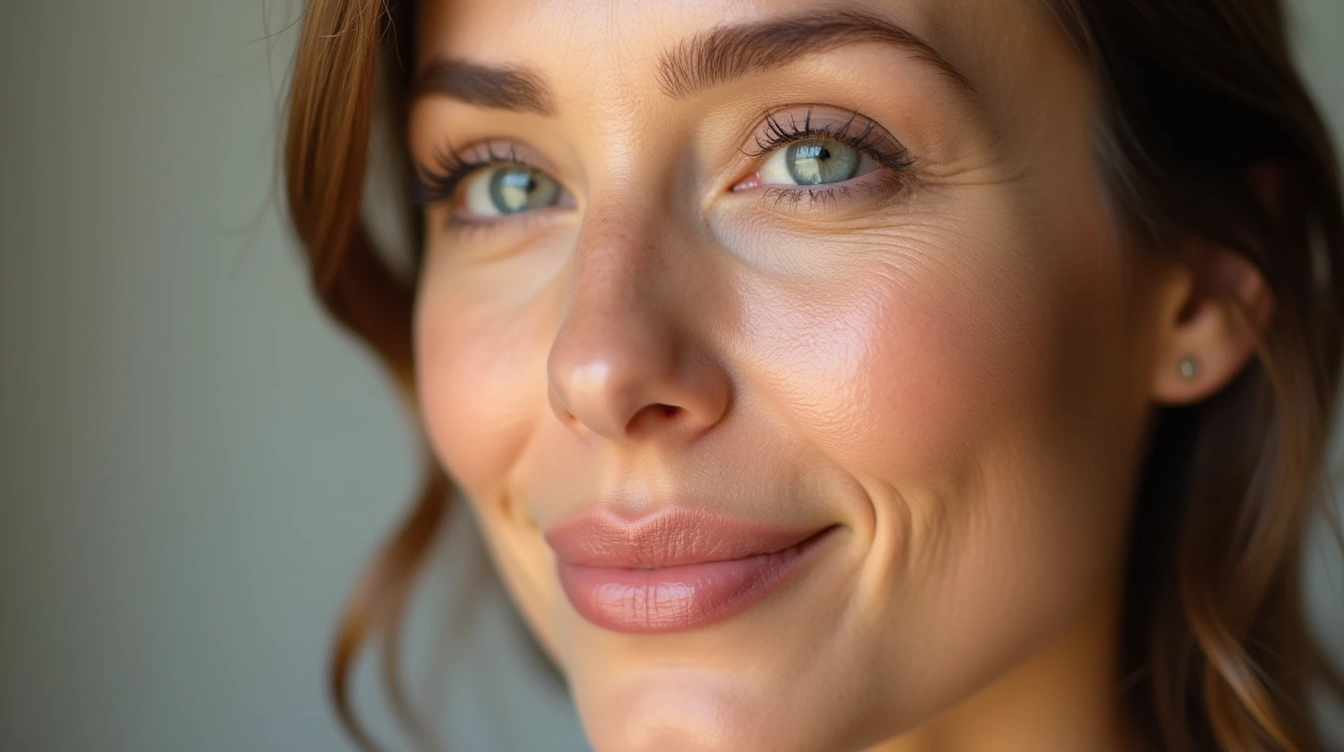
Visible wrinkles are a common sign of aging, sun exposure, and changes in the skin’s underlying structure. Many individuals look beyond basic skincare to restore a smooth, youthful appearance. Today’s advanced wrinkle reduction options blend scientific innovation with targeted treatments designed to soften lines and rejuvenate the complexion. Understanding these solutions empowers people to make confident choices on their anti-aging journey.
Understanding why wrinkles appear
As we age, our skin gradually loses its natural elasticity due to declining levels of collagen and elastin. Daily factors like sun exposure, smoking, insufficient sleep, and genetics accelerate the formation of fine lines and deeper creases. Wrinkles often emerge first where facial movements are most frequent—around the eyes, forehead, and mouth.
A lire aussi : Unlock energy savings with air source heat pump installation
Recognizing the root causes of wrinkles helps in selecting the most effective advanced wrinkle reduction methods. Besides surface texture changes, volume loss beneath the skin also plays a crucial role. Addressing both visible lines and deeper tissue concerns leads to the most noticeable improvements.
Topical options: creams, serums, and retinol
A lire également : Optimizing business productivity with it support in harlow
Not all wrinkle-fighting solutions require clinical procedures. Some of the easiest advanced options begin with specialized wrinkle creams and serums. These products deliver active ingredients directly to the skin’s outer layers, encouraging repair and renewal through daily use. To discover a full spectrum of non-surgical and procedural approaches, review available Advanced Wrinkle Reduction Options.
Retinol, a vitamin A derivative, is highly valued for its ability to boost cell turnover and stimulate fresh collagen growth. Found in both over-the-counter and prescription formulas, anti-aging skincare products containing retinol can visibly smooth fine lines and enhance overall skin tone when used consistently.
Minimally invasive injectables
Injectable treatments have transformed modern approaches to advanced wrinkle reduction. These minimally invasive procedures offer quick, noticeable improvements without extended downtime. The two leading categories—botox and neurotoxins as well as dermal fillers—address different aspects of facial aging and wrinkling.
How do botox and neurotoxins work?
Botox and other neurotoxin injectables target muscle activity responsible for expression lines, such as those from frowning or squinting. By temporarily relaxing specific muscles, these treatments create visibly smoother areas on the forehead, around the eyes, and between the brows. Results typically last three to six months before a follow-up session is needed.
The procedure involves brief injections with minimal discomfort. For natural-looking outcomes and safety, it is important to trust skilled providers and avoid overuse.
What role do dermal fillers play?
Dermal fillers address wrinkles caused by lost facial volume, including nasolabial folds and sunken cheeks. Most formulas are based on hyaluronic acid or similar substances that attract moisture, restoring youthful contours and softening moderate to deep lines.
The effects of fillers generally last from six months up to two years, depending on the product and individual response. While safe for most, some mild swelling or bruising may occur shortly after treatment.
Resurfacing and needling procedures
Several advanced wrinkle reduction options focus on resurfacing the skin’s surface or stimulating regeneration from within. Techniques such as chemical peels, microdermabrasion, and microneedling are designed to improve uneven texture and promote new cell growth.
What benefits do chemical peels and microdermabrasion provide?
Chemical peels use carefully controlled acids to exfoliate aged skin, removing damaged cells and revealing fresher, more supple skin underneath. The strength of the peel determines the depth of wrinkle reduction, but stronger solutions also require longer recovery. Mild redness or peeling is common, while repeated sessions can produce smoother results over time.
Microdermabrasion provides a gentler approach, buffing away dead skin particles with a handheld device. This process refines pores and reduces fine lines, making it a popular non-injectable method for improving skin clarity and texture.
Why consider microneedling?
Microneedling, or collagen induction therapy, uses tiny needles to create micro-injuries in the skin. This triggers the body’s healing response and stimulates new collagen production, reducing scars and wrinkles. Treatments can be tailored to suit various skin types and depths.
Recovery is usually brief, with slight redness lasting only a few days. Multiple sessions further enhance results, making microneedling appealing for persistent issues or regular maintenance.
Energy-based devices and tightening treatments
Modern technology has introduced energy-based devices that use light, heat, or focused ultrasound to rejuvenate skin from within. Lasers and laser treatments along with skin tightening procedures such as thermage and ultherapy help achieve firmer, brighter complexions without surgery.
Lasers and other light therapies
Fractional lasers deliver precise light energy below the skin’s surface, prompting cellular renewal and shedding of old cells. Laser treatments not only minimize wrinkles but also fade dark spots and improve elasticity. Temporary side effects like redness or mild inflammation may occur, but most people quickly return to their usual activities.
Other light-based therapies can be customized to address specific issues, such as pigmentation or redness, with adjustable intensity to suit sensitive or mature skin.
Non-surgical skin tightening procedures
Technologies like radiofrequency and focused ultrasound gently heat the deeper layers of skin, causing them to contract and gradually lift sagging areas. Thermage and ultherapy are top choices for defining the jawline or firming the neck, with results developing over several months after just one session.
Most patients notice some degree of tightening and improved smoothness even after a single appointment. Compared to surgical facelifts, these treatments involve less risk, commitment, and recovery time.
- 💉 Quick treatments with minimal recovery
- 🕰️ Results visible within weeks to months
- ⚡ Suitable for various skin tones and ages
Combining multiple approaches for optimal results
For many, the best results come from combining different strategies. Wrinkle creams and serums support daily care, while professional interventions deliver more dramatic improvements. Using retinol alongside periodic botox injections treats both emerging fine lines and established creases.
Optimal improvement emerges when both surface irregularities and subdermal changes are addressed together. Consulting a dermatologist ensures a personalized regimen using several advanced techniques, maximizing outcomes and supporting long-term skin health.
| 🔬 Treatment type | ⏳ Duration of effect | 💸 Average cost per session |
|---|---|---|
| Creams & serums | Short to medium (requires continuous use) | $20–$200 |
| Injectables (botox, fillers) | 3–24 months | $300–$800 |
| Chemical peels | Several months | $100–$600 |
| Laser treatments | 6–24 months | $500–$2,000 |
| Skin tightening (thermage, ultherapy) | 12–24 months | $1,500–$4,000 |
Common questions about advanced wrinkle reduction options
Are topical wrinkle creams and serums as effective as injectables?
Wrinkle creams and serums can noticeably improve fine lines and support overall skin health, particularly when formulated with retinol or peptides. However, injectables such as botox and dermal fillers usually deliver faster and longer-lasting results for more pronounced wrinkles.
- 🧴 Topicals: Best for preventative care and mild-to-moderate wrinkles
- 💉 Injectables: Maximal impact on deeper-set lines and volume loss
Which procedures offer minimal downtime?
Treatments like botox, fillers, microdermabrasion, and some laser therapies are recognized for little to no downtime. Most people resume normal routines immediately or within a day. Skin tightening technologies and lighter chemical peels are also convenient for busy lifestyles.
- ⏱️ Quick recovery: Botox/neurotoxins, microdermabrasion, light peels
- 🏃♂️ Resume usual routine rapidly
Can I combine several anti-aging treatments at once?
Many dermatologists recommend blending topical and procedural approaches for enhanced results. It is essential to sequence treatments properly and allow adequate recovery between intensive options such as chemical peels and lasers.
- 🗓️ Stagger appointments (e.g., space out injectables and peels)
- 🤝 Combine retinol with in-clinic treatments for ongoing maintenance
Who makes an ideal candidate for advanced wrinkle reduction options?
People with notable fine lines, age-related volume loss, or textural skin changes can benefit from advanced wrinkle reduction. Effectiveness and safety depend on factors such as skin type, general health, and desired outcomes. Consulting a licensed provider ensures a personalized plan.
- 🌎 All skin types can be treated with tailored protocols
- 🎯 Realistic expectations lead to greater satisfaction